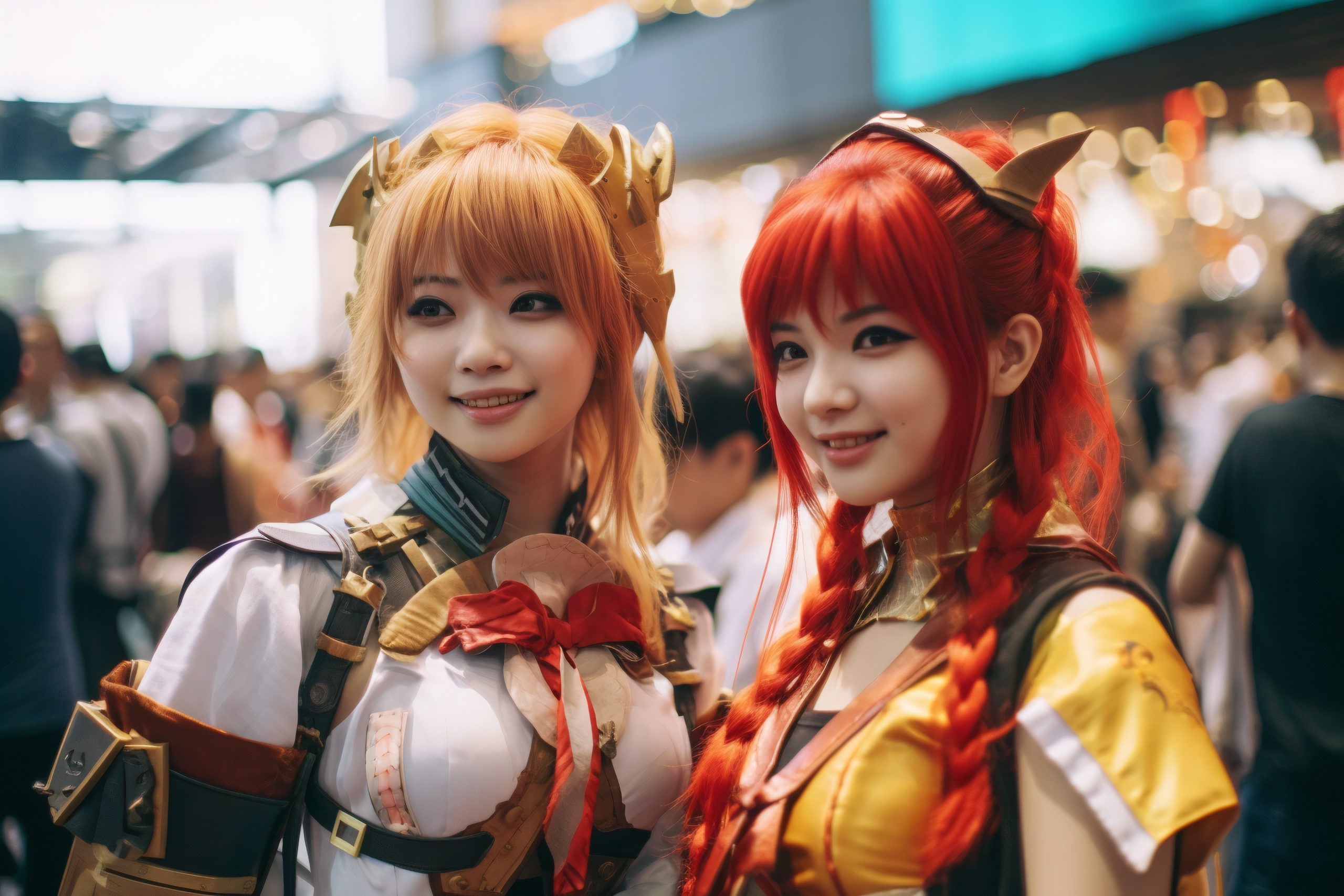
Cosplay, a portmanteau of “costume” and “play,” is a unique form of fan expression where enthusiasts dress as characters from their favorite media, often anime, manga, or video games. Japanese animation, or anime, has profoundly influenced this vibrant subculture. To understand this impact, we need to trace the evolution of both anime and cosplay.
The Beginnings: Anime’s Global Reach
Japanese animation began to gain international popularity in the 1980s and 1990s. Shows like Akira, Dragon Ball Z, and Sailor Moon were among the first to break through cultural barriers and capture the attention of global audiences. This exposure to anime characters provided a new wellspring of inspiration for fans, who wanted to embody these animated personas.
The Rise of Cosplay
Cosplay as a concept has its roots in Japan, with the term itself being coined by Nobuyuki Takahashi in 1984. The first major convention that showcased cosplay was Comic Market (Comiket) in Tokyo, where fans would dress as their favorite manga and anime characters. Over time, this practice spread worldwide, propelled by the increasing popularity of anime.
Influence on Design and Craftsmanship
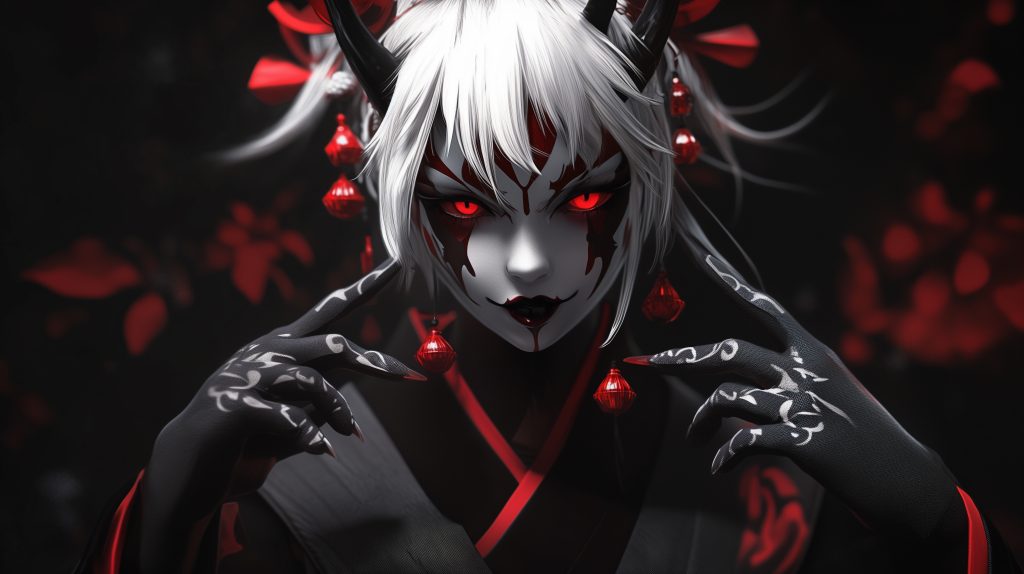
Anime’s distinctive art style—vivid colors, elaborate costumes, and exaggerated features—has had a significant impact on cosplay design. Cosplayers often go to great lengths to recreate intricate outfits and accessories, reflecting their admiration for the source material. The advent of online communities and platforms has facilitated the sharing of techniques, tips, and tutorials, further enhancing the quality and creativity in cosplay.
Modern Trends
Today, cosplay has evolved from a niche hobby to a mainstream cultural phenomenon, with conventions like Anime Expo and Comic-Con featuring elaborate costumes and attracting thousands of fans. The influence of Japanese animation is evident in the intricate details and creative interpretations of anime characters. Social media platforms, such as Instagram and TikTok, have also played a role in spreading cosplay culture, allowing fans to showcase their work and connect with others who share their passion.
Cultural Exchange and Adaptation
Anime’s influence on cosplay is not limited to Japan; it has sparked a global cultural exchange. Fans from different countries interpret and adapt anime characters in ways that reflect their local cultures and fashion trends. This cross-cultural exchange enriches the cosplay community, creating a diverse tapestry of interpretations and styles.
Technological Advancements
Advancements in technology have further enhanced the cosplay experience. Modern tools and materials allow cosplayers to create more accurate and detailed costumes. 3D printing, for instance, has revolutionized the creation of complex props and accessories, while digital fabric printing enables precise reproduction of intricate patterns.
Community and Collaboration
The cosplay community is a collaborative space where fans share knowledge, techniques, and resources. Online forums, YouTube tutorials, and social media groups provide platforms for cosplayers to connect, exchange ideas, and support one another. This sense of community fosters innovation and creativity, driving the evolution of cosplay inspired by Japanese animation.
Historical Context
The roots of cosplay culture can be traced back to early Japanese manga and anime fandoms. The practice of dressing as characters from popular media began as a way for fans to celebrate their favorite series and connect with others who shared their interests. Over time, this practice evolved into a more formalized subculture with its own conventions, norms, and aesthetics.
Design Principles
Anime-inspired costumes are characterized by their attention to detail, vibrant colors, and elaborate designs. Cosplayers often use a combination of sewing, crafting, and prop-making techniques to recreate these costumes. The design principles of anime, including the use of bold color palettes and exaggerated features, are mirrored in the way cosplayers approach their creations.
Influence of Iconic Series
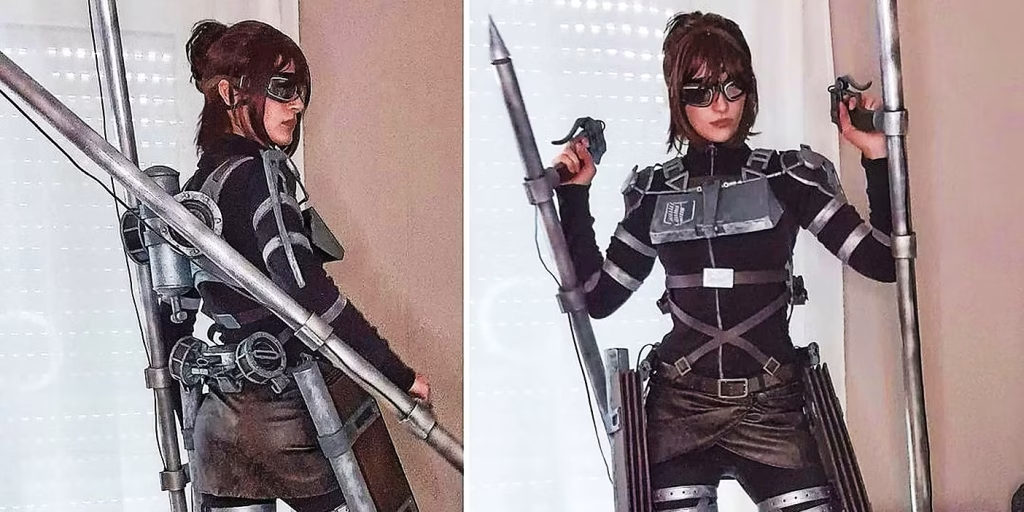
Certain anime series have had a particularly strong impact on cosplay culture. For example, My Hero Academia has inspired a new generation of cosplayers with its diverse array of superhero costumes. Similarly, Attack on Titan has led to a resurgence in interest in military-style outfits and realistic prop-making. These series not only influence costume design but also contribute to broader trends within the cosplay community.
Cultural Impact
Cosplay has become a global phenomenon, with conventions and events held around the world celebrating anime and manga. The influence of Japanese animation extends beyond costume design to other aspects of cosplay, such as performance, photography, and fan art. This cultural impact reflects the widespread appeal of anime and its role in shaping contemporary fan culture.
Innovative Techniques
The influence of Japanese animation has led to innovative techniques in cosplay creation. From advanced sewing methods to the use of high-tech materials, cosplayers continually push the boundaries of what is possible. Techniques such as foam crafting, LED lighting, and motion capture have all been integrated into cosplay to enhance the authenticity and impact of costumes.
Community Influence
The cosplay community plays a crucial role in shaping trends and pushing the boundaries of costume design. Influential cosplayers, popular conventions, and online platforms contribute to the dissemination of new ideas and techniques. As a result, cosplay trends often reflect both the latest anime series and the evolving preferences of the community.
Cultural Exchange and Global Influence
Anime’s influence on cosplay extends beyond Japan, with fans around the world embracing and adapting anime-inspired costumes. This global exchange has led to a rich tapestry of cosplay styles and interpretations, reflecting diverse cultural perspectives and creative approaches. The international nature of cosplay events and online communities further amplifies the impact of Japanese animation on the global cosplay landscape.
Costume Craftsmanship
The craftsmanship involved in creating anime-inspired costumes is a testament to the dedication and skill of cosplayers. Attention to detail, accurate color matching, and the use of high-quality materials are essential components of successful cosplay. The synergy between anime’s artistic design and the meticulous work of cosplayers results in costumes that are both visually stunning and true to the source material.
Character Resonance
Anime characters often resonate deeply with fans, influencing their choice of cosplay and the level of detail they invest in their costumes. Characters that embody specific traits or experiences may hold particular significance for cosplayers, leading them to pursue costumes that reflect their personal connection to the character.
Event Culture
Conventions and cosplay events serve as crucial platforms for showcasing anime-inspired costumes. These events provide opportunities for fans to connect, share their work, and celebrate their favorite characters. The culture of these events, including cosplay competitions, panels, and photoshoots, contributes to the overall synergy between anime and cosplay.
Evolving Trends
The relationship between anime and cosplay is dynamic, with trends continually evolving based on new anime releases, technological advancements, and shifts in fan preferences. Cosplayers stay attuned to these changes, incorporating the latest trends and innovations into their creations. This ongoing evolution reflects the vibrant and ever-changing nature of both anime and cosplay culture.
Otaku Culture
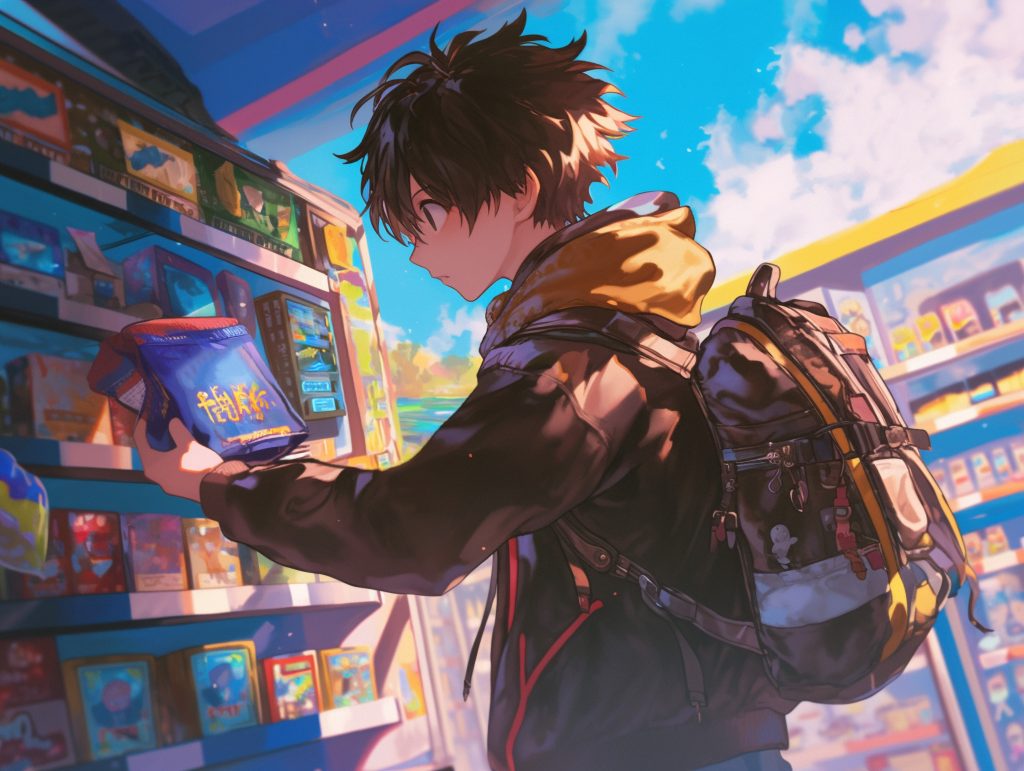
The term “otaku” refers to individuals with a deep passion for anime, manga, and related media. This subculture has played a significant role in the development of cosplay, as otaku enthusiasts are often at the forefront of costume creation and fandom activities. The intersection of otaku culture and cosplay highlights the deep connection between anime and its dedicated fanbase.
Modern Cosplay Practices
Modern cosplay practices are shaped by a combination of traditional techniques and contemporary innovations. The use of digital tools, online communities, and social media has transformed how cosplayers create, share, and showcase their costumes. These practices reflect the growing influence of Japanese animation on cosplay and the ways in which fans engage with their favorite media.
Cultural Impact and Recognition
Cosplay has gained increasing recognition as a legitimate form of artistic and cultural expression. The influence of Japanese animation is evident in the widespread appreciation of cosplay as a creative practice, with events and exhibitions celebrating the artistry and craftsmanship involved. This recognition underscores the significance of anime in shaping modern cosplay culture.
Future Directions
As anime continues to evolve and new technologies emerge, the future of cosplay will likely see further advancements and innovations. The ongoing influence of Japanese animation will continue to inspire and shape the cosplay community, driving new trends and creative approaches. The dynamic relationship between anime and cosplay ensures that this vibrant subculture will remain a significant and evolving aspect of fan culture.
This comprehensive exploration of the influence of Japanese animation on cosplaying highlights the deep and multifaceted connection between these two cultural phenomena. From the origins of cosplay in Japan to its global impact, the relationship between anime and cosplay is a testament to the creativity and passion of fans around the world.