📰 Breaking Global News Analysis
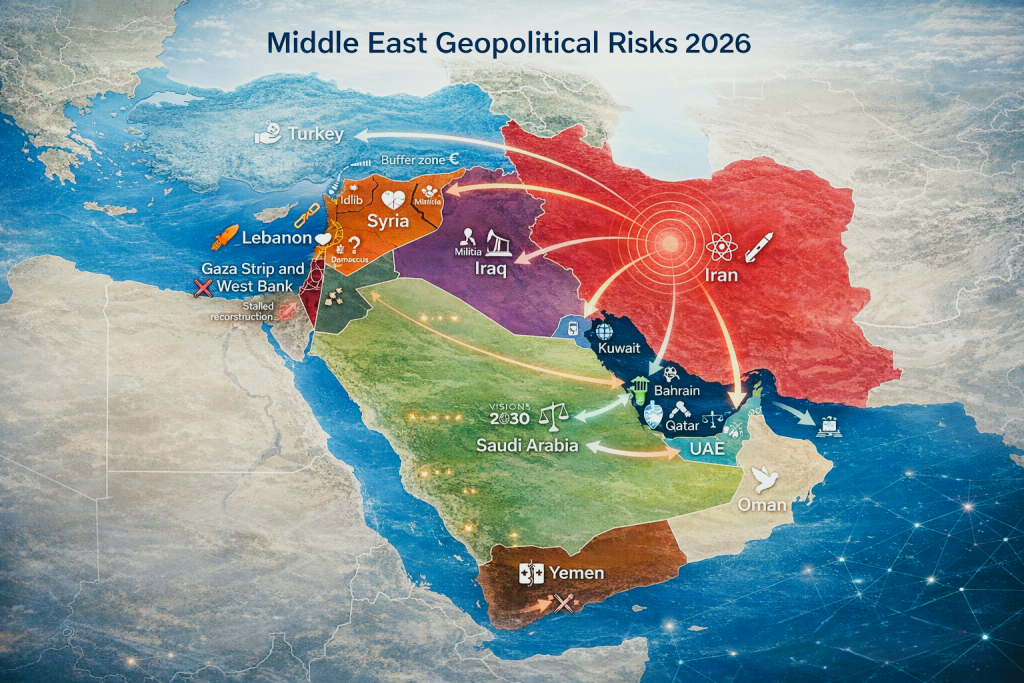
The Middle East is witnessing one of its most intense geopolitical crises in recent years as tensions between Iran, Israel, and the United States continue to escalate. According to latest international reports from BBC News, Al Jazeera, and CNN live updates, the situation remains highly volatile with ongoing military actions, diplomatic negotiations, and global economic concerns.
⚔️ Escalation in Iran–Israel Conflict
Recent developments indicate continued military strikes and counterstrikes across multiple regions in the Middle East. Israel has intensified operations targeting strategic sites, while Iran has responded with regional pressure tactics and threats related to key maritime routes such as the Strait of Hormuz, a vital global oil supply channel.
The situation has raised serious concerns over regional stability, with neighboring countries and global powers urging immediate de-escalation.
U.S. Role and Diplomatic Pressure
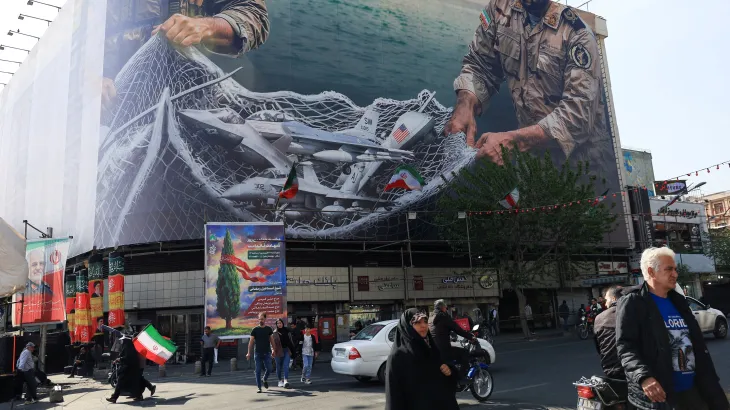
The United States, under former President Donald Trump’s influence in current foreign policy discussions, has maintained strong involvement in the crisis. Reports suggest ongoing coordination with Israel while simultaneously exploring diplomatic negotiations with Iran.
According to CNN live coverage, Washington is pushing for a potential ceasefire framework, although major gaps remain between the parties on nuclear-related and security issues.
🌐 Global Impact: Oil, Economy, and Security Risks
The crisis has already begun affecting global markets:
- 📈 Oil prices have shown sharp fluctuations due to Strait of Hormuz tensions
- 💰 Inflation concerns are rising in energy-dependent economies
- 🚢 Shipping and maritime trade routes face disruption risks
- 🌍 International organizations warn of potential global economic slowdown
Experts say any prolonged conflict in this region could trigger a global energy shock.
🤝 Diplomatic Efforts Underway
Despite rising tensions, diplomatic channels remain active. Reports from Al Jazeera suggest indirect talks involving regional mediators such as Pakistan, Egypt, and Gulf states. European nations have also urged immediate ceasefire discussions to prevent wider regional war escalation.
However, analysts warn that trust between parties remains extremely fragile.
🔍 What Happens Next?
The situation is evolving rapidly. Key factors to watch include:
- Possible ceasefire negotiations between Iran and U.S.-Israel alliance
- Status of the Strait of Hormuz maritime security
- Further Israeli military operations in Lebanon and Gaza region
- International diplomatic intervention from China, EU, and regional powers
📌 Conclusion
The Middle East crisis of 2026 continues to develop with unpredictable outcomes. While diplomatic efforts are ongoing, the risk of further escalation remains high. The global community is closely monitoring the situation as it could significantly impact international security and economic stability.
🔎 About This Report
This article is compiled from verified international news sources including BBC News, Al Jazeera, and CNN live updates, focusing on real-time geopolitical developments in the Middle East.