The story of a traveler who desire to reach his goal
The Alchemist by Paulo Coelho is a philosophical novel that has captivated readers around the world with its inspirational message. Published in 1988, the story follows Santiago, a young Andalusian shepherd, who dreams of finding a hidden treasure located near the Egyptian pyramids.
The novel explores themes of personal legend, destiny, and the interconnectedness of all things. Santiago’s journey is not just a physical quest for treasure but also a spiritual journey toward self-discovery and realizing one’s dreams. Along the way, he encounters various characters, including a king, a crystal merchant, and an alchemist, each of whom imparts wisdom and guidance.
Coelho’s writing is often seen as simple yet profound, weaving together elements of mysticism, philosophy, and spirituality. The novel encourages readers to follow their dreams and listen to their hearts, suggesting that the true treasure lies in the journey itself and the personal growth that comes from pursuing one’s true calling.
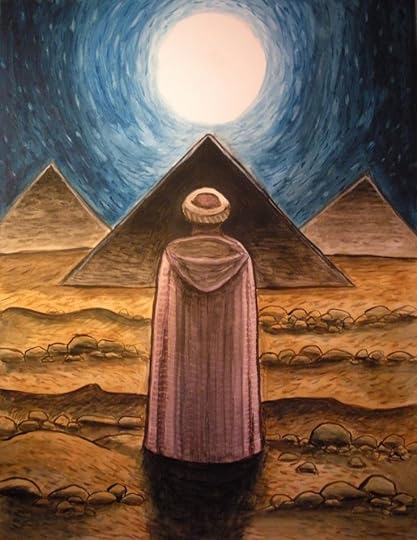
Pursuit of Dreams
The Alchemist by Paulo Coelho is divided into the following parts based on key events and stages in Santiago’s quest:
The Dream and the Call to Adventure:
- Santiago has a recurring dream about a treasure hidden near the Egyptian pyramids.
- He meets a gypsy fortune-teller who encourages him to pursue this dream.
- Santiago sells his sheep and sets off to pursue the treasure.
The Journey to Tangier:
- Santiago travels to Tangier, where he is robbed by a thief.
- He decides to stay in Tangier and work for a crystal merchant, learning valuable lessons about the pursuit of dreams and the nature of success.
The Crystal Merchant and the Pursuit of Dreams:
- Santiago helps the crystal merchant improve his business and, in turn, learns about the importance of following one’s Personal Legend and overcoming fears.
- With the money he earns, Santiago continues his journey to Egypt.
The Caravan and the Desert:
- Santiago joins a caravan crossing the desert and meets an Englishman who is studying alchemy.
- He learns about the Philosopher’s Stone and the Elixir of Life from the Englishman.
The Alchemist:
- Santiago encounters the Alchemist, who becomes his mentor.
- The Alchemist teaches Santiago about the Soul of the World and the importance of listening to his heart.
- They travel through the desert together, and Santiago learns deeper spiritual truths.
The Revelation and the Treasure:
- Santiago reaches the pyramids and discovers that the real treasure was buried where he initially had his dream—back in Spain.
- He returns to Spain and finds the treasure buried near a sycamore tree where he had his original vision.
The Alchemist captures a central theme of the novel and reflects a blend of optimism, spiritual belief, and the law of attraction. It is about compelling and motivational message that emphasizes the power of belief and the positive effects of pursuing one’s dreams with conviction. It reflects a spiritual and philosophical outlook that resonates with many readers. However, it should be balanced with an understanding of the practical aspects of achieving goals, including effort, resilience, and adaptability. While the universe’s support can be a powerful concept, achieving success often involves a combination of internal drive and external action.

Philosophical and Spiritual Perspective
The Alchemist presents a romanticized and idealized journey of self-discovery and fulfillment, offering a philosophical and spiritual perspective on pursuing one’s dreams. In contrast, the journey of a typical human being is often marked by a more nuanced and pragmatic approach to achieving personal goals. Both involve overcoming obstacles, experiencing personal growth, and seeking support, but the path to fulfillment can be varied and complex. The novel provides a framework for understanding the pursuit of dreams but should be seen as one perspective among many in the diverse experiences of real-life individuals. Here’s an evaluation of this line:
Positive Aspects:
- Encourages Positive Thinking:
- The line promotes a mindset that encourages individuals to remain optimistic and determined. Believing that the universe is aligned to help you achieve your goals can foster persistence and resilience.
- Empowerment and Motivation:
- It empowers people by suggesting that their desires and efforts are not in vain. The belief that the universe supports their aspirations can be highly motivating and inspiring, helping them to overcome obstacles.
- Concept of Universal Support:
- The idea that the universe conspires in one’s favor aligns with the concept of universal support and synchronicity, suggesting that favorable circumstances often align when one is committed to their goals.
The novel emphasizes the importance of pursuing one’s personal legend or dreams. Santiago’s journey teaches that it is crucial to follow one’s passions and aspirations, even when faced with challenges and uncertainties. In reality, the notion of the universe conspiring can be interpreted metaphorically. Many people find that persistence, positive thinking, and hard work can lead to opportunities and support, but they also recognize that external factors and chance play significant roles. The concept of fate and destiny is more complex in real life. While some people believe in a predetermined path, others view life as a series of choices and circumstances that shape their future. The balance between destiny and free will is a subject of much philosophical debate.
In real life, individuals also benefit from mentors, advisors, and supportive friends and family. Guidance from others can provide valuable perspectives, encouragement, and practical advice, helping individuals make informed decisions and grow.